



As businesses scale, particularly beyond the point where managers no longer just manage people and are solely in charge of managing individual processes that involve no humans, they tend to become soulless.
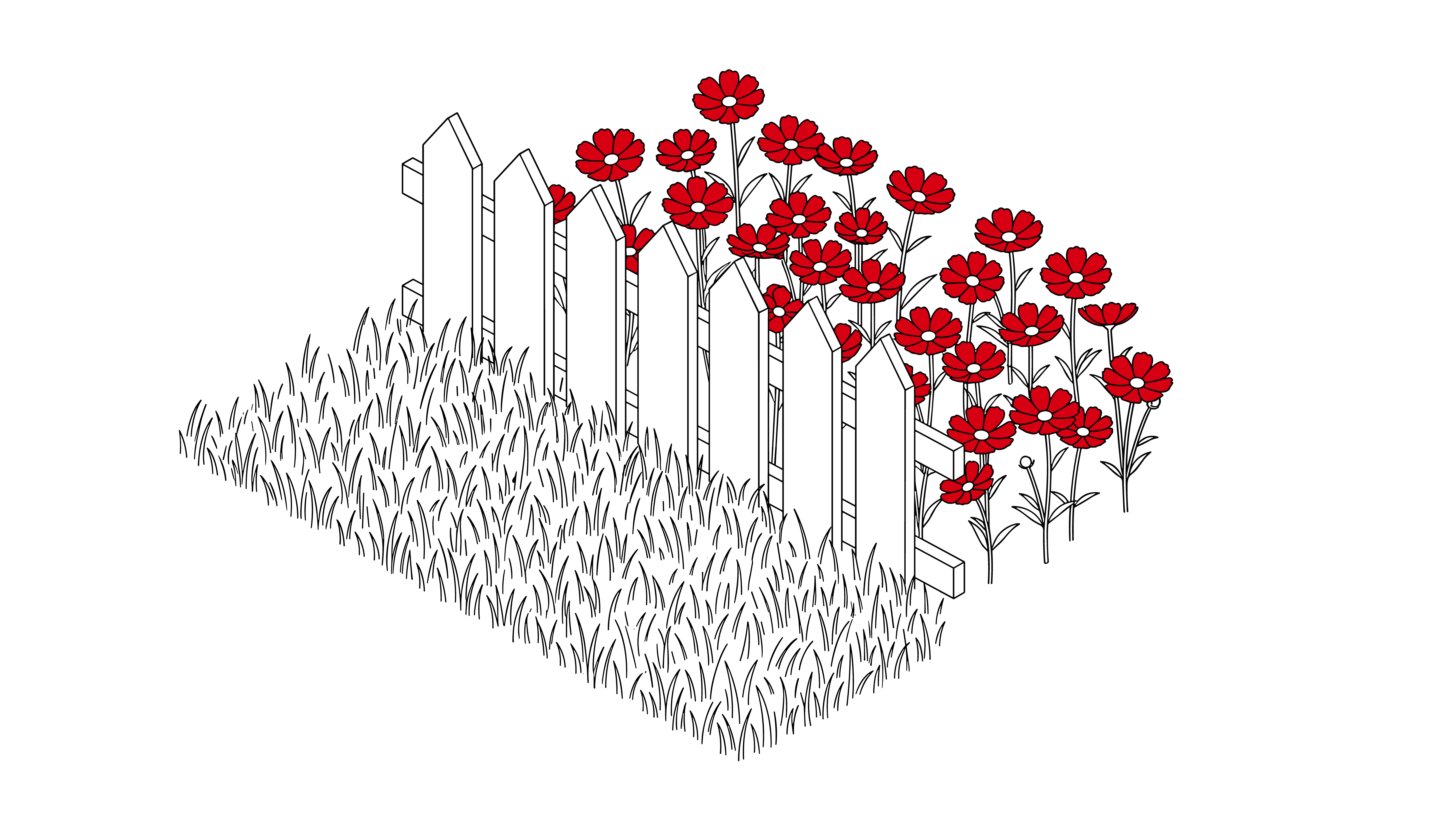
Those managers end up “owning” workflows or technology processes that patch together disparate systems of data creation or data movement. We call these “patches of grass.”
Imagine a 1 yard by 1 yard chunk of soil and grass and a person on their knees next to it with a pair of scissors trimming each blade to be the perfect 2.5” and flush with the rest of the blades of grass. They often don’t have a watering can or fertilizer or anything else to help them keep the grass nice.
Their job is to wake up, walk outside to their little patch of grass, and tend to it. The forces of nature, similar to the forces of a business, will affect that patch of grass and the person is responsible for reacting to those forces and keeping it as well maintained as possible despite how little they can actually control it.
For a while this job is nice. It’s well defined, it’s not difficult, and it pays well. The most important part of the job is just to not let the patch of grass get out of a maintained and uniform state.
The patch keepers take this role very seriously and become protective of their patch of grass. It’s a very important patch of grass, or so they’ve been told. In order to keep the patch in tip-top shape, they come up with standards for the patch. A tightly defined grass height, to be kept to a 96% acceptability rate. The density of the grass is also important, as well as the weed rate - less than 2%.
The patch keepers get bonuses when they achieve such metrics over sustained longer periods of time, often 90 days.
You can imagine how stressful it gets when the seasons change or a prolonged heat wave comes around. The keepers’ ability to meet their standards becomes difficult, especially without resources.
After several cycles of this, the keepers, if they are able to do a good consistent job of maintaining the grass to the standards, earn a reputation. They get praised and patted on the back. Their colleagues even give them nicknames and say things like “Oh Nick, he’s the best mid-funnel grass keeper I’ve ever met!” They are told there is real pride in this work.
The keepers, though, feel something different. They go to sleep every night dreading waking up and tending their patch. They beg and plead for water or fertilizer, some even ask for the ability to plant flowers on their patch - knowing they can clip and sell those flowers at the market. The VP of Grass, often constrained themselves, has to turn these asks away and find other ways to keep the keepers fulfilled. After all, their job is to tend grass.
The keepers get discouraged, and they start to lose their energy and creative spirit. They can tend their patch with just a little bit of work and time each day. They stop asking for resources or presenting new ideas. They dream of the flowers they could grow but surmise that they couldn’t make as much money at the market selling flowers as they could tending their patch.
The distance between those dreams of growing and selling flowers and their tending of grass becomes vast over time. It weighs on them like a massive chain around their neck. They even dream about tending a whole yard of grass someday, but don’t know how they could ever find such a yard. Their VP of Grass loves their yard and doesn’t seem to want to move on from it anytime soon.
This is when businesses become soulless - when people tend the grass. It’s vital to a business to have its people keep a sense of creativity and let the keepers not just tend to, but craft and create their patch in as interesting of ways as possible.
They should be gardeners. They should be collaborating with other gardeners to see how many new and interesting combinations of plants and flowers they can grow. They should be putting together curated bouquets to sell at the market for higher prices. If the fresh flowers don’t sell at the market they could hang them up and dry them and create beautiful dried flower arrangements and sell those.
You see, every small patch of grass is a living thing with all the potentiality that all living things have and share, which is unlimited and infinite. It’s actually very nice to have a patch of grass because it means that potentiality can be creatively explored and that exploration can be learned from. If the company is oriented towards letting people be gardeners and that exploration and learning is cumulatively harnessed, then the company will do well and have lots of beautiful things to sell at the market and each person will be happy to be a part of it.
Share this with the best grass keeper you know.
Imagination is underutilized.